Amigurumi is worked in a continuous spiral, with no join and no seam to count along, so it is easy to lose track of which round you are on. The reliable way is to lay the piece flat and count the ridges spiralling out from the magic ring: each ridge is one round. A stitch marker and a counter do the rest.
Why amigurumi rounds are hard to count
In a spiral there is no clean end to each round, the work just keeps curving around. The stitches sit close and firm, the magic ring pulls the center tight, and after a few rounds the ridges blur together. That is why guessing from memory fails, and why a marker plus a recorded count beats squinting at the fabric.
How to count amigurumi rounds, step by step
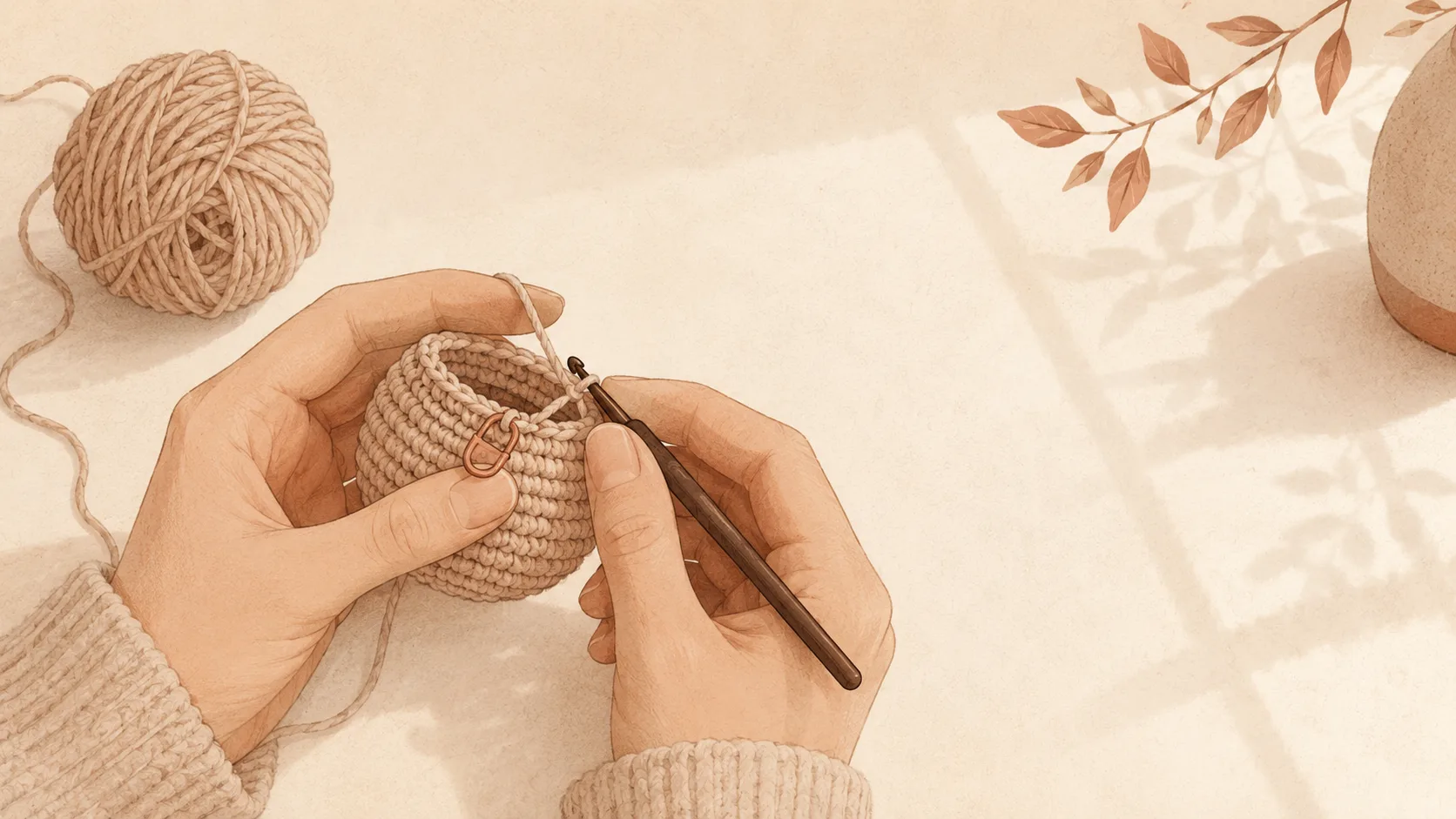
- Hold the piece with the right side facing you and look for the spiral of V shapes.
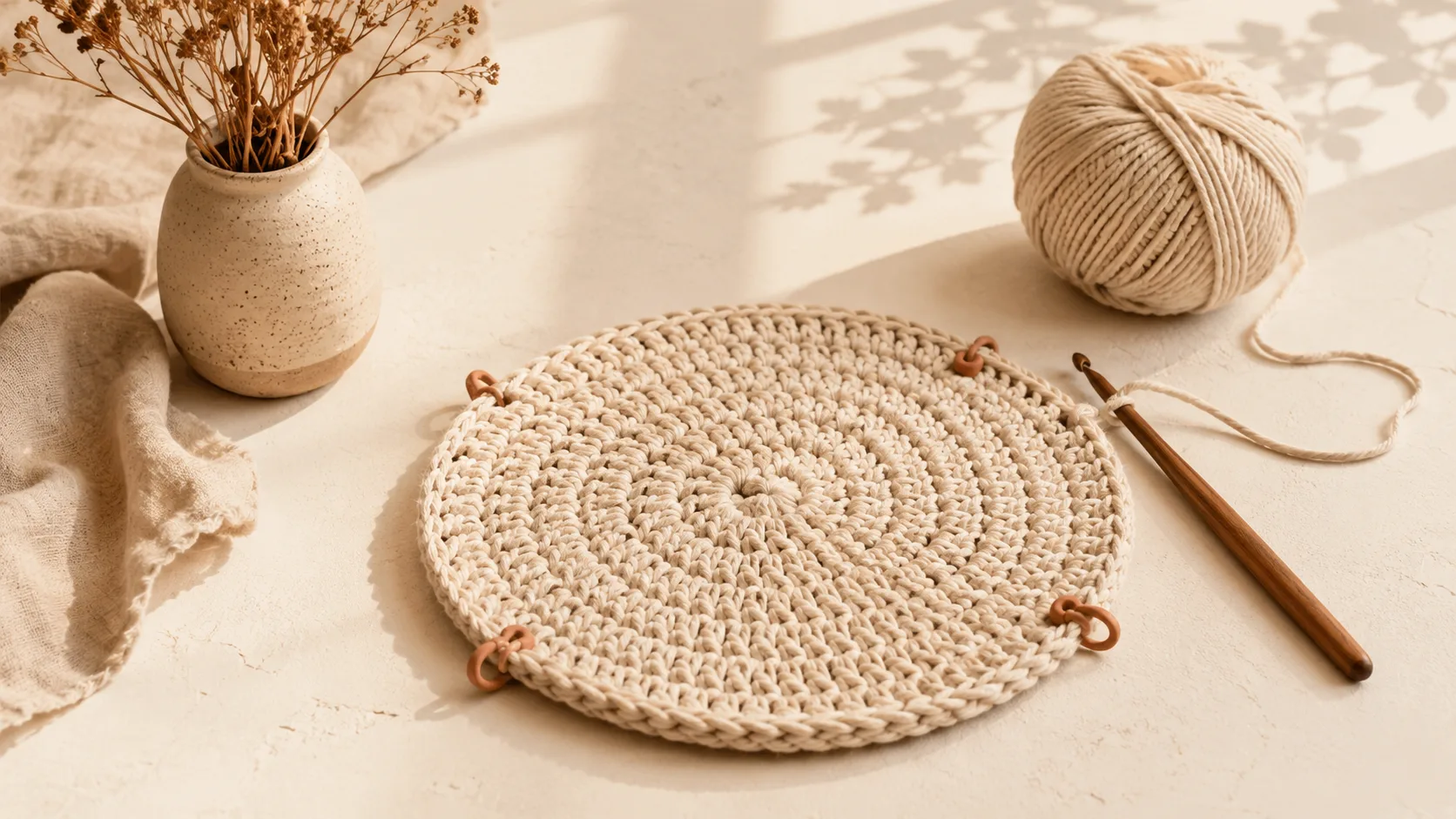
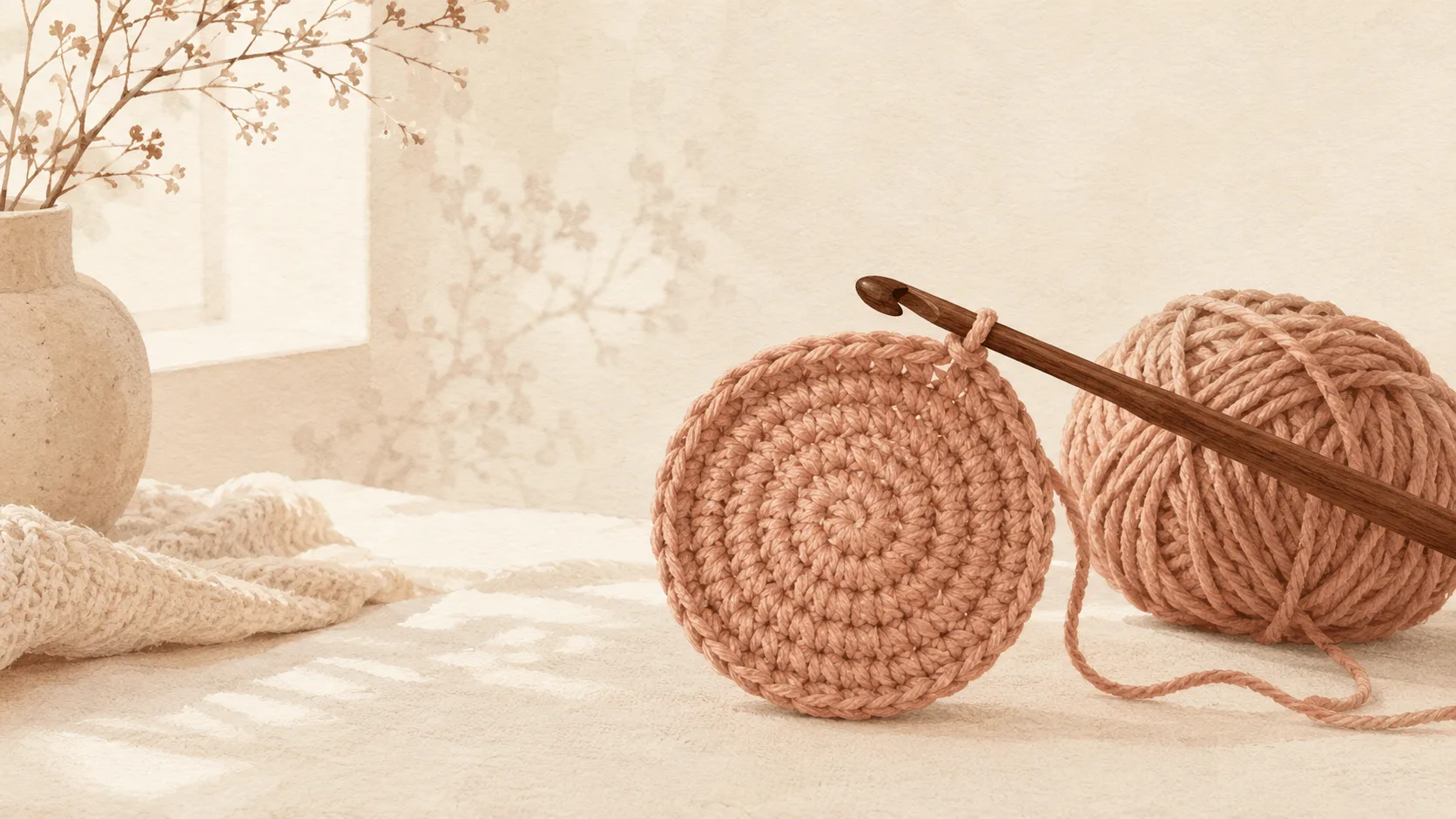
- Find the center (the closed magic ring) and look at the ridges, the horizontal lines of V shapes, working outward.
- Count each ridge as one round, from the first round at the center to the live stitches on your hook.
- The round you are partway through is the next one after the last complete ridge.
Count the stitches in the round too
The round number is only half the story. At the end of each round, count the stitches and check them against your pattern (for example 6, 12, 18 as you increase). A marker in the first stitch of the round makes this easy: see how to use stitch markers in crochet.
How is this different from counting rows?
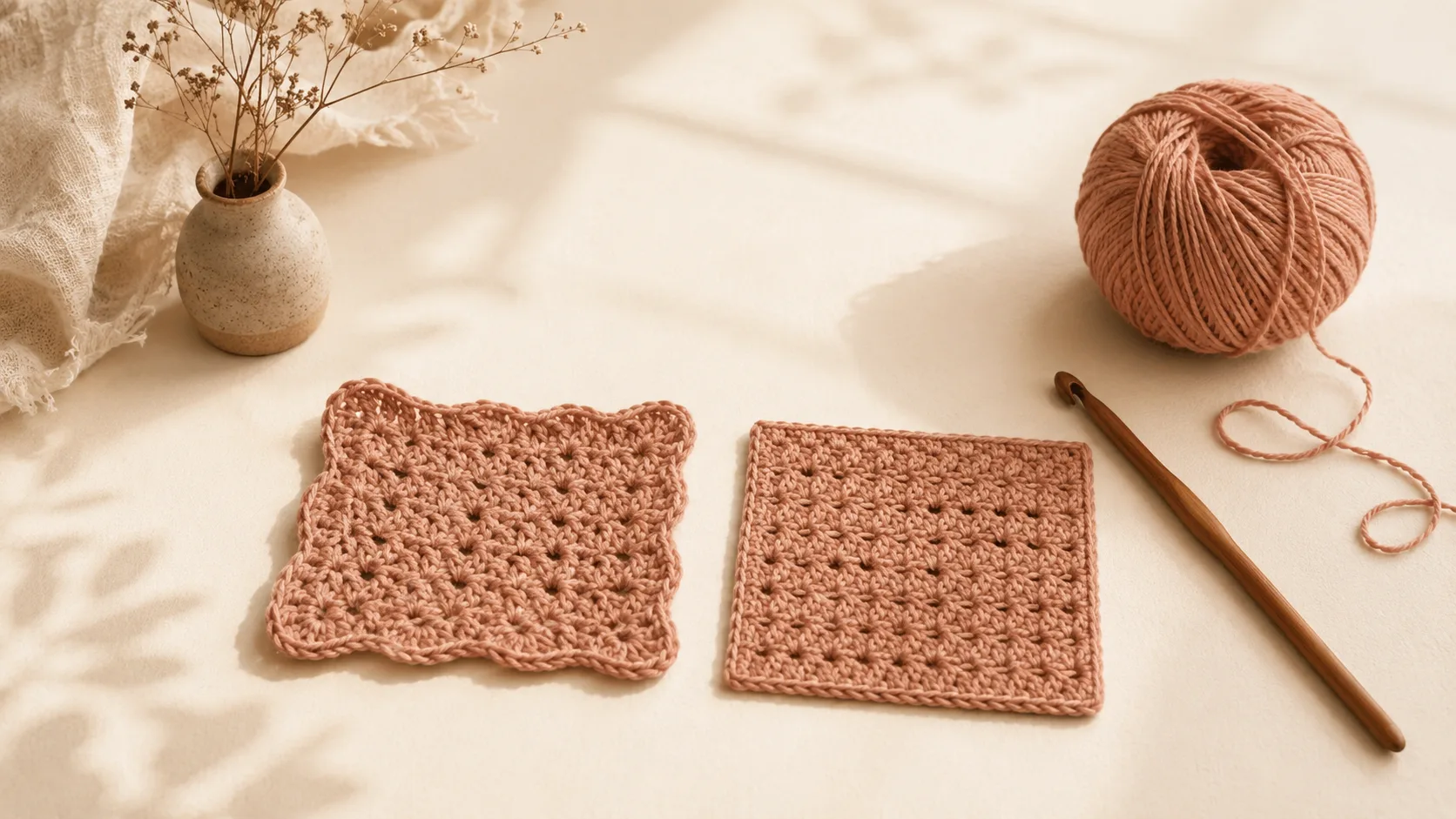
Flat crochet is counted up a straight side edge, one V or ridge per row. A spiral has no straight edge, so you read the ridges curving out from the center instead. If you also work flat pieces, see how to count rows in crochet.
Keep your place with Knittle
Knittle is a calm round counter for crochet. Tap once each time you close a round, set a target and watch the progress ring fill, and put your work down without losing your place. The count stays on your iPhone, iPad and Apple Watch and works alongside the stitch marker in your hands, the marker holds your spot, Knittle holds the number.